
Zia Tarar

Explore the world of English grammar with simple explanations, practical examples, and easy-to-follow guides by Zia Tarar, the founder and author of Gramnora. From essential grammar rules and sentence structure to common mistakes and advanced concepts, Gramnora helps learners improve their English, strengthen their writing skills, and communicate with greater clarity and confidence.

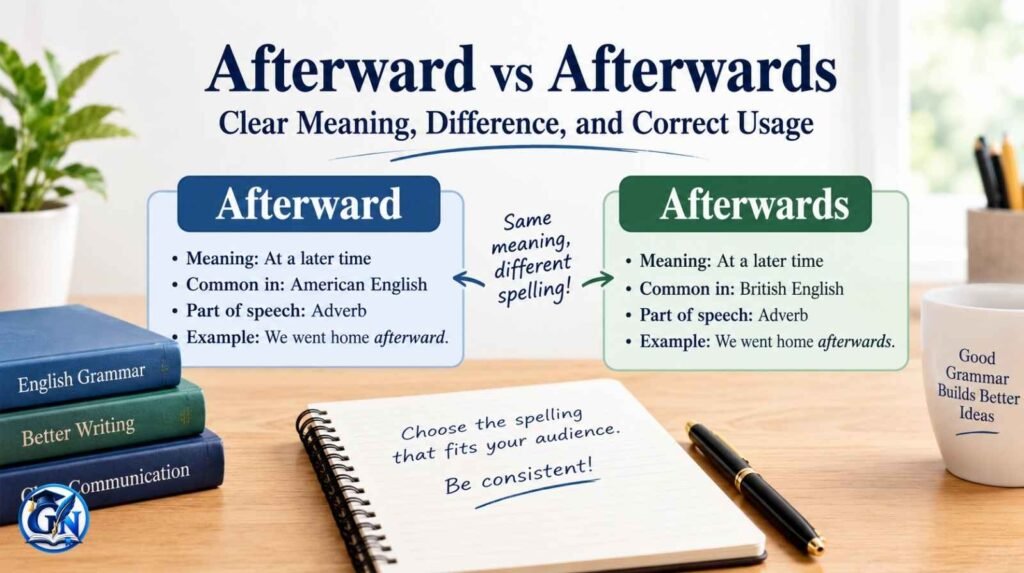
Afterward vs Afterwards

Afterward vs Afterwards: Clear Meaning, Difference, And Correct Usage

Have you ever wondered whether to write Afterward vs Afterwards? Both words are common in English, and they look almost identical. However, their usage can depend on which variety of English you speak or write. The good news is that afterward and afterwards have the same meaning. Both refer to something that happens later or

Afterward vs Afterwards: Clear Meaning, Difference, And Correct Usage Read More »

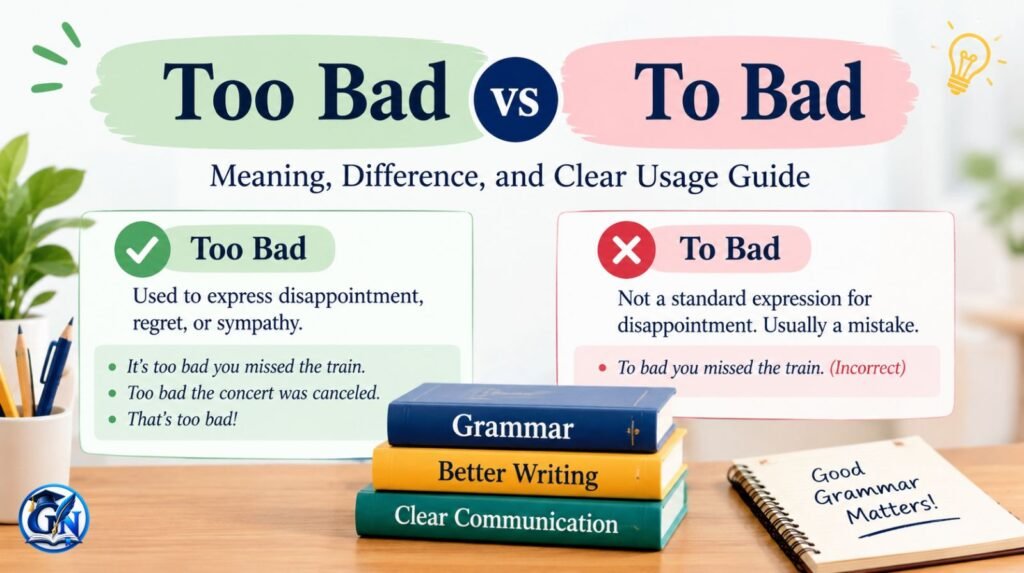
Too Bad vs To Bad

Too Bad vs To Bad: Meaning, Difference, And Clear Usage Guide

Have you ever wondered whether to write “Too Bad vs To Bad” in a sentence? These expressions look almost identical, but only one is correct in standard English when you want to express disappointment, regret, or sympathy. Choosing the wrong form can make your writing look less polished, especially in emails, school assignments, blog posts,

Too Bad vs To Bad: Meaning, Difference, And Clear Usage Guide Read More »

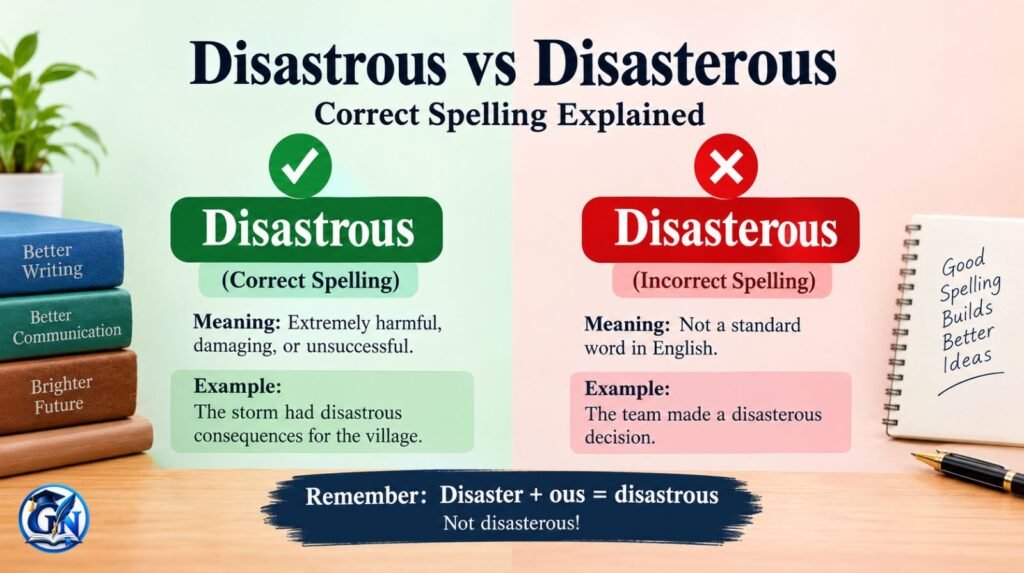
Disastrous vs Disasterous

Disastrous vs Disasterous: Correct Spelling Explained

Have you ever wondered whether the correct spelling is Disastrous vs Disasterous? You’re not alone. English contains many words that seem as though they should follow familiar spelling patterns but actually do not. The correct spelling is disastrous, while disasterous is a common misspelling. Although the incorrect version may look logical because it resembles the

Disastrous vs Disasterous: Correct Spelling Explained Read More »

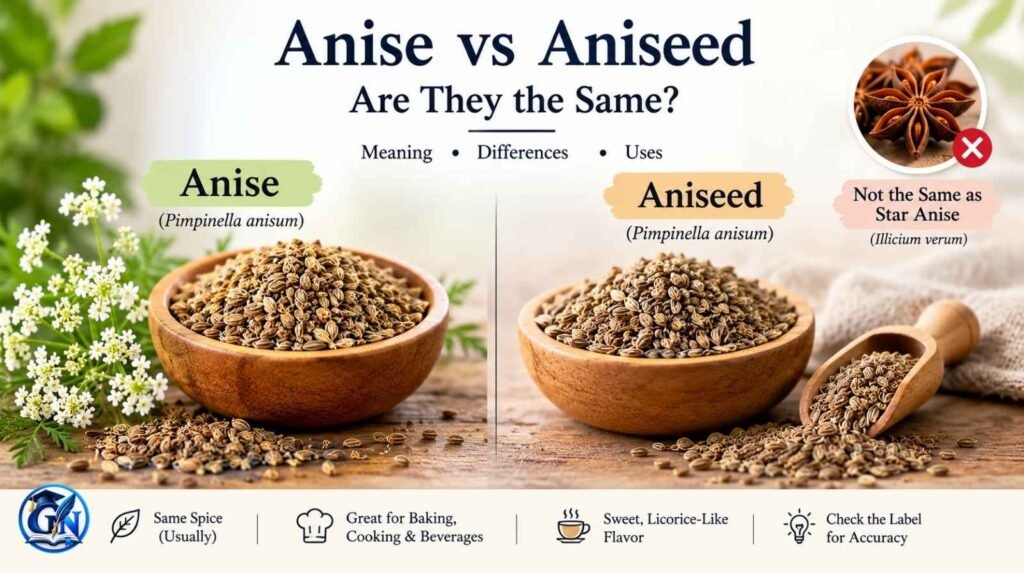
Anise vs Aniseed

Anise vs Aniseed: Are They The Same? Meaning, Differences, And Uses

Have you ever come across the words Anise vs Aniseed in a recipe and wondered whether they refer to two different spices? You are not alone. These terms can be confusing, especially when cooking instructions, spice labels, and recipes use them interchangeably. The good news is that anise and aniseed generally refer to the same

Anise vs Aniseed: Are They The Same? Meaning, Differences, And Uses Read More »

Guarantee vs Guarentee

Guarantee vs Guarentee: Correct Spelling, Meaning, And Examples

Have you ever paused while writing a sentence because you were unsure whether to spell the word Guarantee vs Guarentee? You are not alone. English spelling can be confusing, especially when a word sounds different from how it looks. When comparing guarantee vs guarentee, only one spelling is correct in standard English: guarantee. The spelling

Guarantee vs Guarentee: Correct Spelling, Meaning, And Examples Read More »

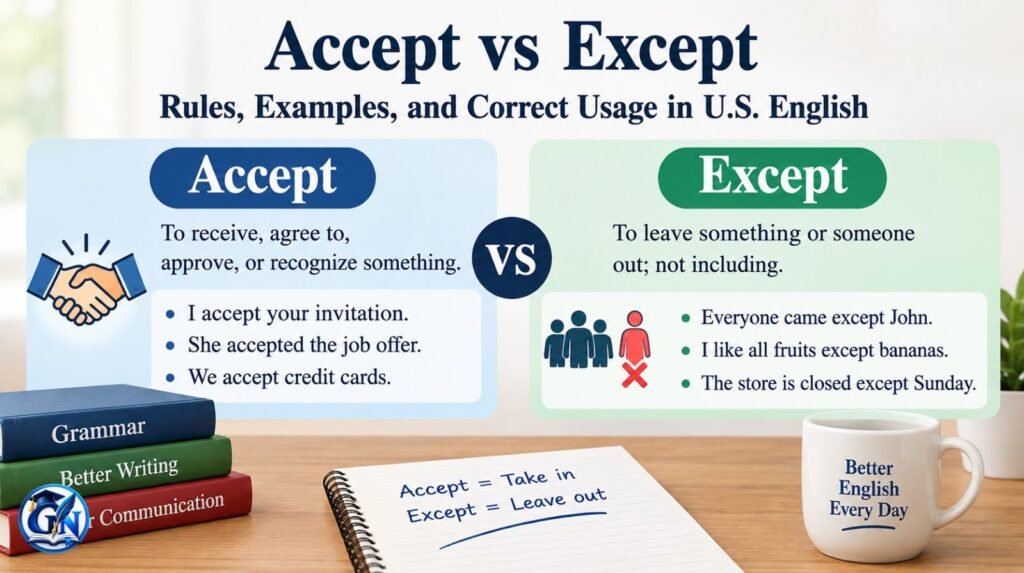
Accept vs Except

Accept vs Except: Rules, Examples, And Correct Usage In U.S. English

Have you ever written “I except your apology” when you meant “I accept your apology”? You are not alone. Accept vs except is a common source of confusion because the two words look and sound remarkably similar, but their meanings are completely different. In simple terms, accept means to receive, agree to, approve, or recognize

Accept vs Except: Rules, Examples, And Correct Usage In U.S. English Read More »